Skip to content
✨ Academy
▶️ Courses
Beginner
Intermediate
Advanced
For work
For daily life & travel
For academics
💡 Blog
Speaking
Grammar
Vocabulary
Pronunciation
Business English
Phrasal Verbs
Collocations
Confusing Words
📧 Contact
🔑 Login
✨ Academy
▶️ Courses
Beginner
Intermediate
Advanced
For work
For daily life & travel
For academics
💡 Blog
Speaking
Grammar
Vocabulary
Pronunciation
Business English
Phrasal Verbs
Collocations
Confusing Words
📧 Contact
🔑 Login
Tag: confusing words
Confusing Words
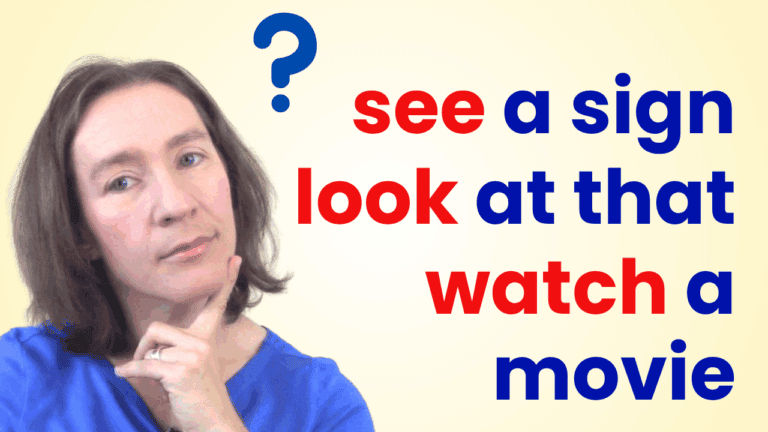
Common Errors in English: See, Look, Watch
Take Lesson »
Confusing Words
Advise vs. Advice: 20 Confusing Words in English
Take Lesson »
Collocations
Difference between DO and MAKE – 60 English collocations
Take Lesson »
Phrasal Verbs
Phrasal Verbs with RUN
Take Lesson »
Confusing Words
Lay vs. Lie (+ Laid, Lain, Lied)
Take Lesson »
Grammar
English prepositions after the verb THINK
Take Lesson »
Confusing Words
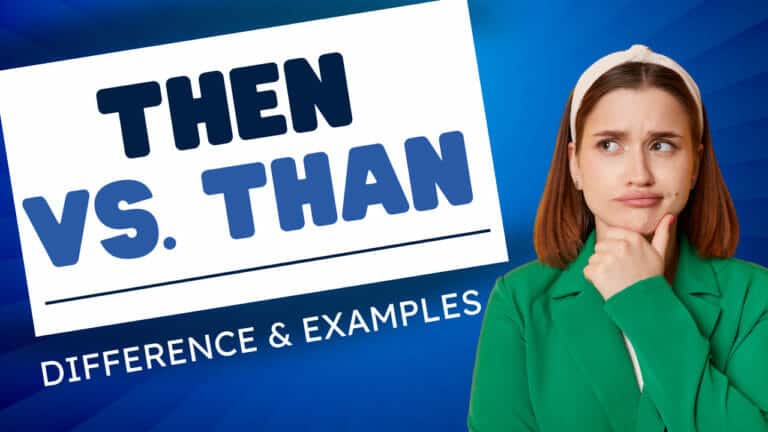
Then vs. than: Difference + Examples
Take Lesson »
Confusing Words
16 Super-Confusing Words in English
Take Lesson »
10 Confusing English Words with OVER
Take Lesson »
Confusing Words in English: Dress, Get Dressed, & Dress Up
Take Lesson »
What’s the difference between CAN, COULD, and ABLE TO?
Take Lesson »
Who or Whom?
Take Lesson »
Wander or Wonder?
Take Lesson »
Confusing Words in English – Wish and Hope
Take Lesson »
Common Errors in English: Difference between so, very, and a lot
Take Lesson »
Confusing Words in English: Overview, Oversight, and Overlook
Take Lesson »
I / my / me / mine / myself ?
Take Lesson »
10 Phrasal Verbs with FALL
Take Lesson »
Difference between TO and FOR
Take Lesson »
11 Confusing Words and Common Errors
Take Lesson »
Confusing Words
Words that are both countable AND uncountable
Take Lesson »
Confusing Words: Adjectives and Adverbs
Take Lesson »
Confusing Words
“How about?” vs. “What about?” – Learn the difference
Take Lesson »
Two forms of USED TO
Take Lesson »
« Previous
Page
1
Page
2
Page
3
Next »