Skip to content
✨ Academy
▶️ Courses
Beginner
Intermediate
Advanced
For work
For daily life & travel
For academics
💡 Blog
Speaking
Grammar
Vocabulary
Pronunciation
Business English
Phrasal Verbs
Collocations
Confusing Words
📧 Contact
🔑 Login
✨ Academy
▶️ Courses
Beginner
Intermediate
Advanced
For work
For daily life & travel
For academics
💡 Blog
Speaking
Grammar
Vocabulary
Pronunciation
Business English
Phrasal Verbs
Collocations
Confusing Words
📧 Contact
🔑 Login
Tag: grammar
Grammar
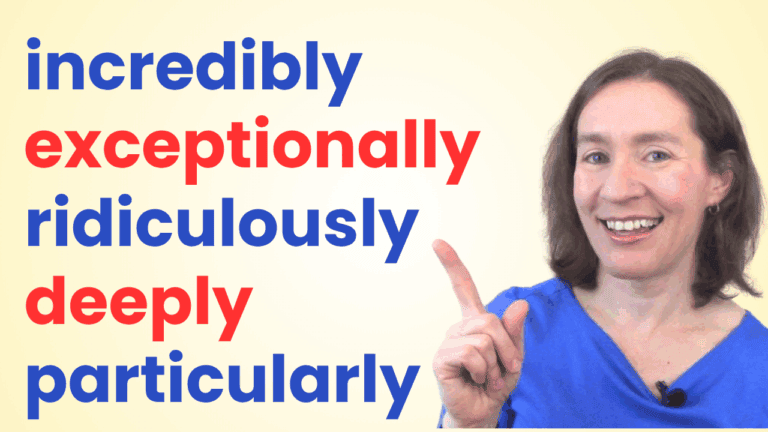
Intensifying Adverbs: Common Collocations
Take Lesson »
Grammar
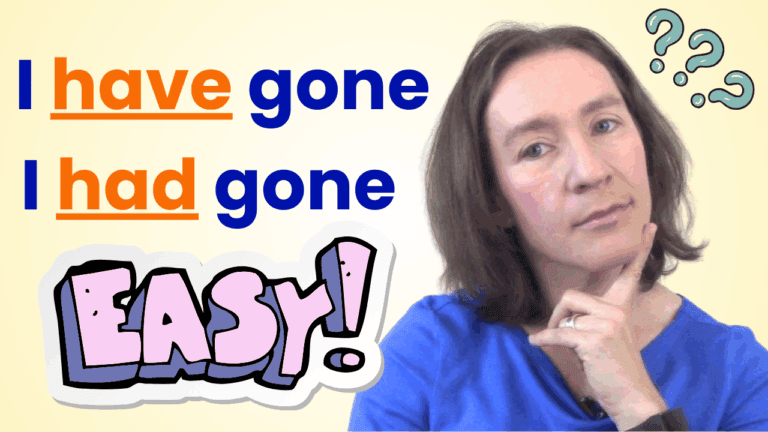
Difference between Present Perfect and Past Perfect in English
Take Lesson »
Grammar
Subject-Verb Agreement: 10 Tricky Cases
Take Lesson »
Grammar
Present Perfect Tense in English: How to use it + examples
Take Lesson »
So / Neither / Too – How to agree in English
Take Lesson »
Grammar
Linking Words: Reasons and Results
Take Lesson »
Confusing Words
Words that are both countable AND uncountable
Take Lesson »
Quantifiers for Comparatives in English
Take Lesson »
Grammar
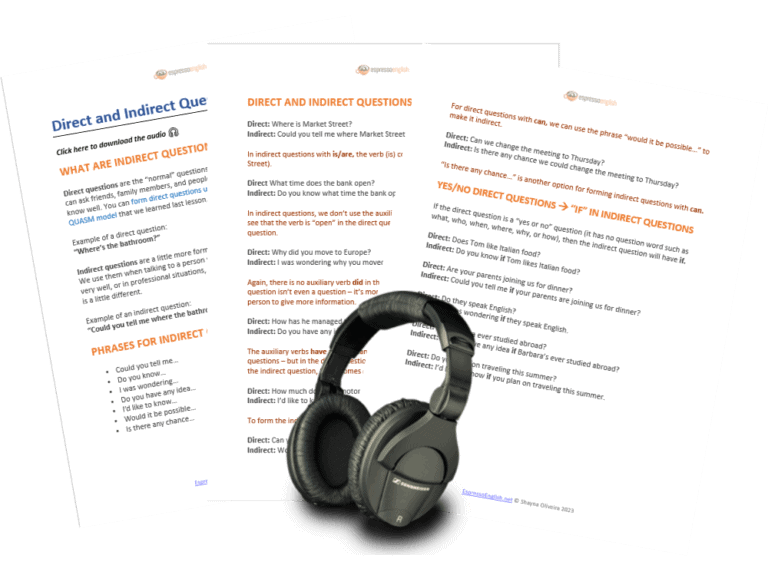
Direct and Indirect Questions in English
Take Lesson »
Questions in English: How to form them easily
Take Lesson »
Learn 90+ irregular verbs in English easily
Take Lesson »
Advanced English Grammar: Future Tenses
Take Lesson »
15 grammar mistakes that make you look silly
Take Lesson »
Confusing Words
Say vs. Tell vs. Speak vs. Talk
Take Lesson »